 Reviews


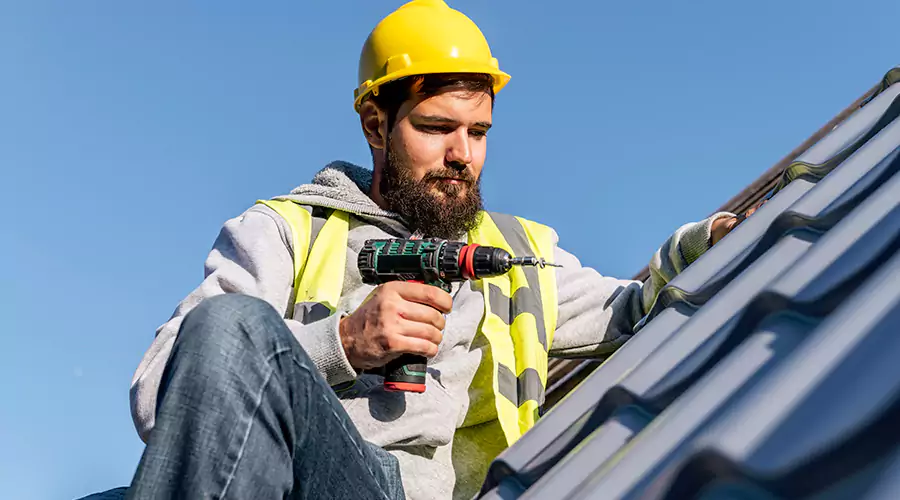
Emergency roof repairs can feel overwhelming for any homeowner. A sudden leak during a storm, a fallen tree branch, missing shingles after high wind, or visible water entering the home can create immediate stress. In those moments, it is easy to focus only on the damage you can see. The challenge is that emergency roof problems often involve more than the obvious surface issue. Water can spread quickly, hidden damage may already be forming, and waiting too long can make the repair far more expensive.
That is why it helps to understand what emergency roof repairs actually involve, when a roof problem should be treated as urgent, and what steps homeowners should take right away. In this guide, we will explain what homeowners should know about emergency roof repairs, what counts as a roofing emergency, and how fast action can help protect both the roof and the rest of the home.
What Counts as an Emergency Roof Repair?
Not every roofing issue is an emergency, but some situations need immediate attention because they leave the home exposed to active water intrusion or structural risk. Emergency roof repairs are meant to stabilize the situation quickly and reduce further damage until a complete repair plan can be carried out.
Roof issues that may require emergency attention include:
- Active water entering the home
- Large sections of missing shingles after a storm
- Tree limbs or major debris damaging the roof
- Flashing failure causing significant leaks
- A puncture or opening in the roof surface
- A sagging roof section that may indicate structural weakness
These are not problems to leave alone until the next convenient appointment. Quick action matters because the roof may no longer be fully protecting the home.
Why Emergency Roof Repairs Matter?
When a roof emergency happens, damage does not stay limited to the roof for long. Water can move into attic insulation, drywall, ceiling materials, wood framing, and even flooring or furniture below. A repair that might have stayed manageable can become a much larger restoration problem if the response is delayed.
Emergency roof repairs help homeowners:
- Limit active water damage
- Reduce the chance of mold and mildew growth
- Protect attic and ceiling materials
- Prevent further weakening of roofing components
- Lower the risk of more expensive repairs later
- Protect the home before the next round of bad weather
The goal of an emergency repair is not only to stop the immediate problem. It is to protect the rest of the property from the damage that follows.
Common Causes of Emergency Roof Repairs
Emergency roofing situations can happen for several reasons. Some are related to weather, while others develop because smaller issues were left untreated until a storm or other event made them worse.
Common causes include:
- High wind lifting or removing shingles
- Heavy rain exposing weak roof areas
- Hail damaging roofing materials
- Falling branches or debris impact
- Sudden flashing failure around chimneys or vents
- Existing leaks worsening during storms
- Aging roofing materials finally reaching the point of failure
In many cases, an emergency happens because a vulnerable roof is pushed beyond its limit by bad weather.
Signs the Roof Problem Cannot Wait
Some homeowners are unsure whether a roof issue is truly urgent. While not every roofing concern requires an emergency response, certain warning signs mean the problem should be treated as immediate.
You should act quickly if you notice:
- Dripping water during rain
- Ceiling bulges holding trapped water
- Water stains spreading rapidly
- Daylight visible through attic roof boards
- A section of the roof sagging or dipping
- Large debris resting on the roof
- Shingles or flashing scattered around the yard after a storm
These signs suggest the roof may already be failing in a way that can affect the inside of the home.
What Homeowners Should Do First?
The first step in any roofing emergency is safety. Do not climb onto a damaged roof yourself, especially during or right after rain, wind, or storm conditions. Wet roofing materials can be slippery and unstable, and hidden damage may make the surface unsafe.
Instead, start with these actions:
- Stay off the roof
- Keep family members away from affected areas
- Move valuables away from active leaks
- Place containers under dripping water
- Use towels or protective covering to reduce interior damage
- Check the attic only if it is safe to do so
These steps help reduce immediate damage while you arrange professional help.
Why Temporary Protection Is Often Needed?
Emergency roof repair often begins with temporary protection rather than a full permanent repair. If the roof has an opening, exposed section, or storm-related damage, the immediate goal is to keep more water out until the roof can be fully repaired.
Temporary emergency protection may include:
- Covering exposed sections of the roof
- Stabilizing loose materials
- Reducing active water entry points
- Securing damaged flashing or roof edges
This kind of emergency service is important because it helps stop the situation from getting worse while a longer-term repair plan is prepared.
Emergency Repair Does Not Always Mean Full Replacement
When homeowners hear the word emergency, they sometimes assume the whole roof must be replaced. That is not always the case. Some emergency roof repairs are limited to one damaged section and can be resolved with targeted work. Others reveal wider damage that may require more extensive repair or replacement.
The right next step depends on:
- The age of the roof
- The type of damage involved
- Whether the damage is isolated or widespread
- Whether water has already affected the structure below
- How much wear existed before the emergency happened
A professional inspection is the best way to understand whether the roof needs a focused repair or a broader solution.
Why Documentation Matters?
During a roofing emergency, documentation can be very useful. Clear photos and notes help show what happened and preserve a record of the damage before conditions change.
Helpful items to document include:
- Missing shingles or visible roof openings
- Fallen branches or storm debris
- Interior water stains or drips
- Wet attic materials
- Damage to gutters, flashing, or vents
- The date and weather conditions when the problem appeared
Documenting the damage early can also help keep the repair process more organized and prevent confusion about the original condition.
What a Roofing Professional Will Usually Check?
When a roofing professional responds to an emergency, they will usually look beyond the obvious visible damage. A roof emergency may involve more than one entry point, and hidden moisture can spread farther than homeowners expect.
A professional may inspect:
- Missing or lifted shingles
- Flashing around chimneys, vents, and skylights
- Roof valleys and drainage areas
- Attic signs of moisture or light penetration
- Damage to decking or structural support
- Gutter and roof edge conditions
This helps identify both the immediate cause of the emergency and any hidden damage that needs to be addressed next.
Common Mistakes Homeowners Should Avoid
Roof emergencies are stressful, and it is easy to make rushed decisions. Avoiding a few common mistakes can help reduce further damage.
Homeowners should avoid:
- Climbing onto the roof without proper training or equipment
- Ignoring a small active leak because it seems manageable
- Waiting several days to address exposed roofing areas
- Assuming the visible water spot is the only affected area
- Relying on a temporary fix as the final solution
A calm, organized response usually protects the home better than a rushed reaction.
How Emergency Repairs Help Prevent Bigger Costs?
Emergency roof repairs are important because they stop damage from spreading into the interior of the home. A quick response can often prevent a roofing issue from turning into a restoration issue involving ceilings, insulation, framing, and wall materials.
Fast emergency action can help reduce:
- Interior drywall damage
- Mold risk from trapped moisture
- Wood rot in the attic or roof deck
- Larger shingle and flashing repair areas
- The need for more disruptive structural repair work
In many cases, the faster the emergency is stabilized, the more manageable the overall repair becomes.
When a Follow-Up Inspection Is Important?
Even after emergency service is completed, homeowners should still make sure the roof receives a full follow-up inspection. Temporary protection solves the immediate problem, but the roof still needs a complete evaluation to make sure hidden damage is not left behind.
A follow-up inspection can help determine:
- Whether the roof is fully watertight again
- If insulation or attic materials were affected
- Whether nearby roofing areas were weakened
- If more permanent repair work is needed
- Whether the roof should be monitored more closely going forward
This final step helps turn an emergency response into a complete solution.
Final Thoughts
Emergency roof repairs are about more than stopping a leak for the moment. They are about protecting your home from the larger damage that can happen when the roof is left exposed. Homeowners should know that active leaks, missing roofing sections, storm damage, debris impact, and sagging areas all deserve fast attention. A safe response, quick temporary protection, and a professional inspection can make a major difference in the final repair cost and the condition of the home.
When a roof emergency happens, acting quickly is one of the most important steps you can take. The sooner the situation is stabilized, the better chance you have of protecting your roof, your attic, and the rooms below from more serious damage.